Get updates from The Developer straight to your inbox Yes, please!




“I'm not prepared to accept that we can’t afford to build as well as we once did”
If our current system cannot support housing projects that are both viable and ambitious, we need to recalibrate, writes Jas Bhalla


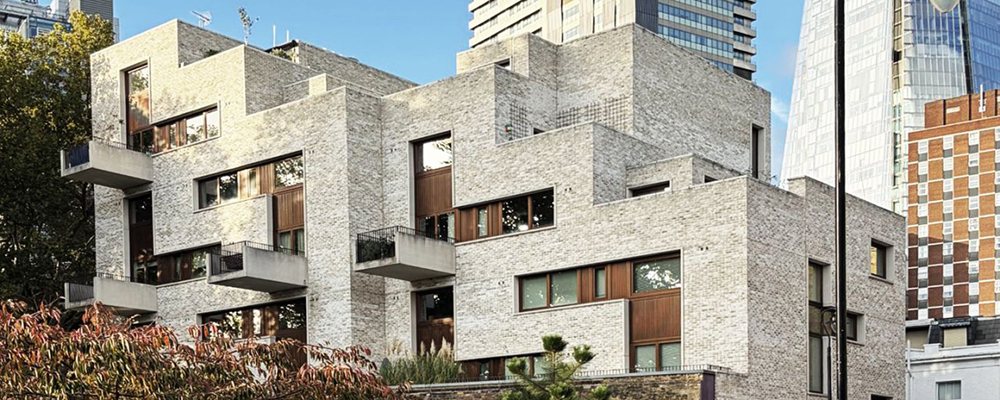
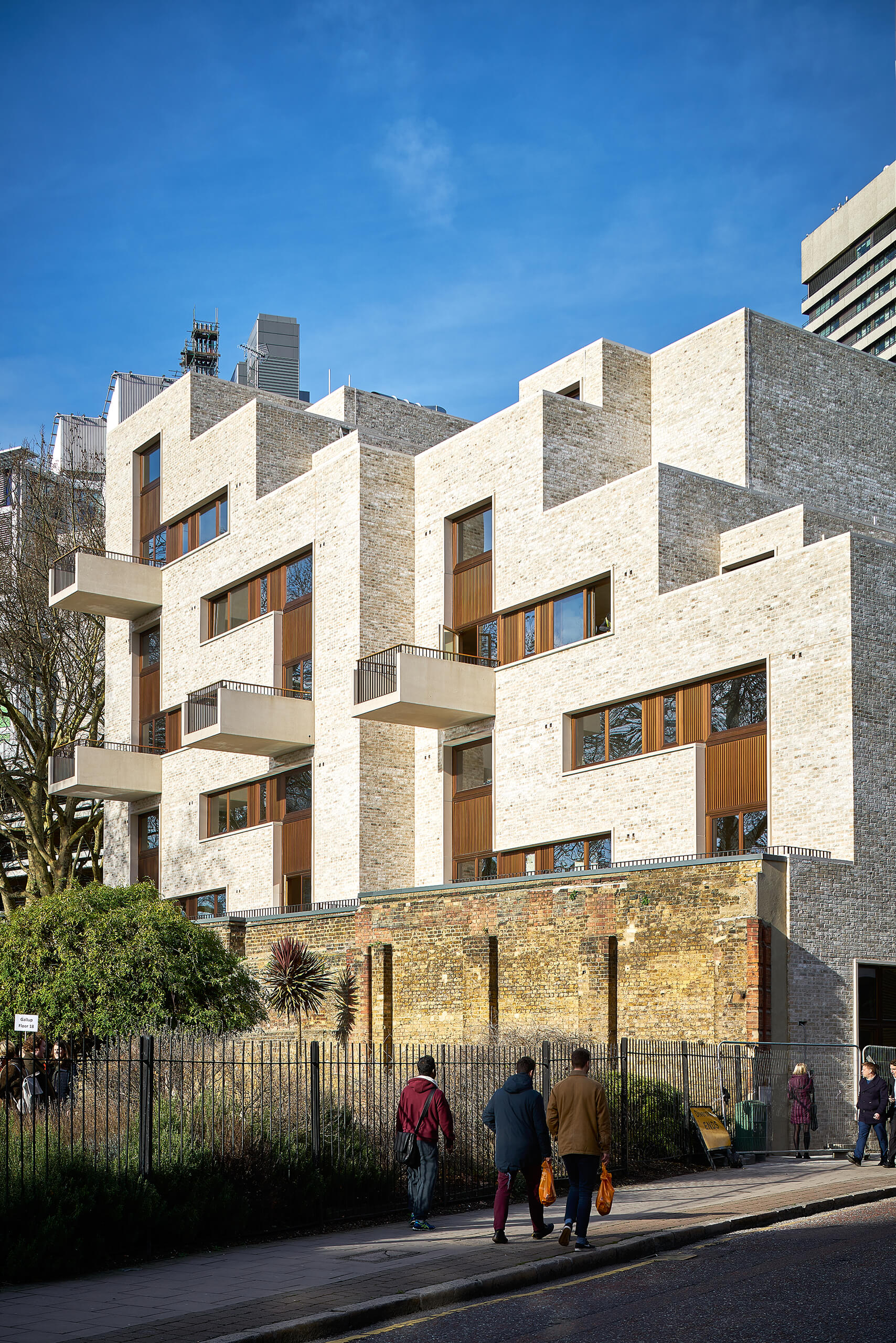
On my way to the office in Bermondsey, I pass 81-87 Weston Street, a collaboration between developer Solidspace and architects Allford Hall Monaghan Morris providing new homes alongside workspace and built almost a decade ago.
The south London project features 8 split-level, two- and three-bedroom apartments stacked above 5,000 sq ft of office space and overlooking a park.
When I look at the deeply recessed windows, expressive pre-cast balconies and carefully stepped massing I can’t help but wonder if we could build something as ambitious today.
The answer is, regrettably, no.
The London housing market is on its knees; over the last few months Taylor Wimpey has announced they are phasing out of Greater London apartment schemes, Berkeley has had planning refused on several major sites in Southwark (with viability playing a considerable role) and Landsec has halted works at the Lewisham Shopping Centre.
On the face of it one might suggest significant projects by big developers have little to do with highly bespoke infill sites such as 81-87 Weston Street. However when the viability of housebuilder schemes utilising a greater degree of standardisation becomes precarious, it’s difficult to imagine how more bespoke, design-led projects can flourish.
All of this before we consider the number of locally led schemes thrown into disarray by the political upheaval following council elections last spring.
Now, the disappointing revelation that Prime Minister Andy Burnham is reconsidering sites shortlisted as New Towns.
Beyond this, having created a system in which a significant proportion of new affordable housing is dependent on private development, we’ve undermined our ability to deliver alternative tenures when the market falters.
As architects, we’ve grown accustomed to lamenting a climate that undervalues our skills and expertise. We criticise developers for prioritising returns and planners for being overly cautious. The idea that designers are uniquely hard done by feels increasingly outmoded.
We need to recognise that these challenges are shared across the development sector and make a collective case for reforming an economic framework that is no longer fit for purpose. It made sense in a world of low interest rates, cheap energy and political stability; conditions that no longer hold true.
We need to fund housing and public infrastructure differently, rather than expecting new homes to absorb the cost
We need to relook at the cumulative impact of regulatory requirements on housing design and viability, and question whether complex S106 agreements remain the most effective way of securing public benefits.
Affordable housing, schools, healthcare and public infrastructure are essential to creating successful places, and this is not an argument for delivering less of them. We need to fund them differently, rather than expecting the delivery of new homes to absorb an ever-growing share of the cost.
New homes bring societal value and treating them as something to be ‘mitigated’ implies otherwise.
81-87 Weston Street was completed only a few years ago, and yet I sometimes wonder if it’s a product of a different era.
I can’t accept that delivering the details that make this project special is a thing of the past; that we can no longer afford to build as well as we once did.
If our current system cannot support the delivery of homes that are both commercially viable and architecturally ambitious, we need to recalibrate the system, rather than our ambitions.
Jas Bhalla is an architect and planner, and is principal at Jas Bhalla Works
Sign up to our newsletter
Get updates from The Developer straight to your inbox
Thanks to our organisation members
© Festival of Place - Tweak Ltd., 124 City Road, London, EC1V 2NX. Tel: 020 3326 7238