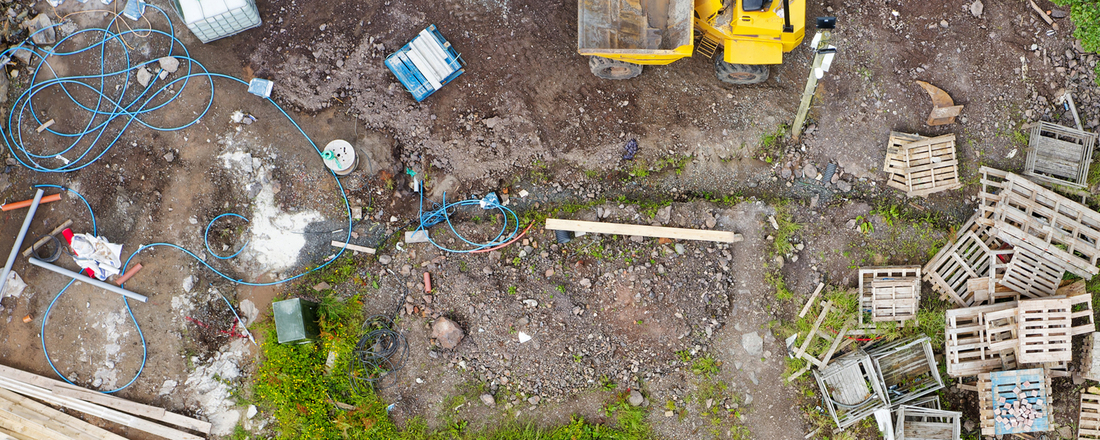
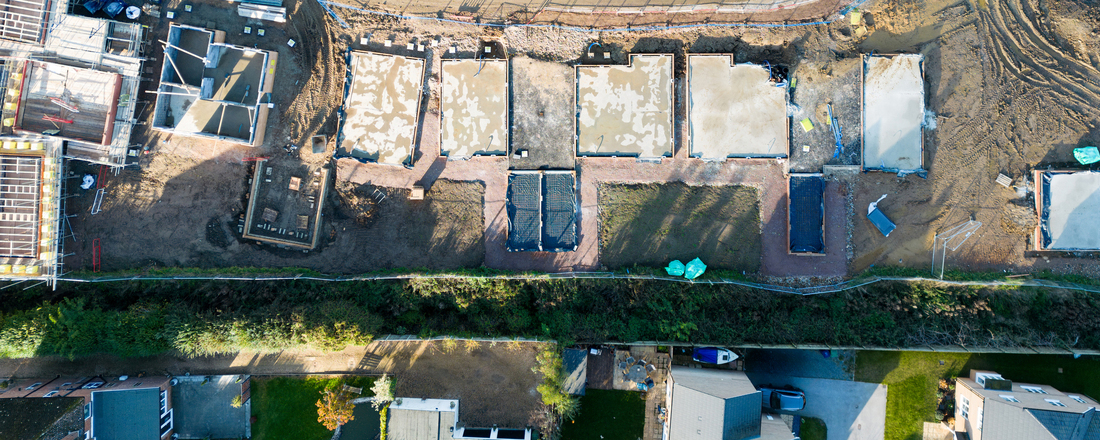
After an extreme flooding event in 2021, my neighbours worked together to develop a sustainable drainage project. With one planning application rejected, the other withdrawn, what happens now? writes Dr Elizabeth Rapoport
They consulted over 5,000 people and wrote a Social Regeneration Charter promising 35% affordable homes – but now say they can deliver just 3%. What happens next is up to Mayor Sadiq Khan
Is the future of planning and procurement to be found in machines speaking solely to other machines – or will that crash the system? Christine Murray writes
Part W shares what they’ve learned from collecting images of barriers to inclusion in the built environment and what comes next in the campaign – including a free online event on 3 December
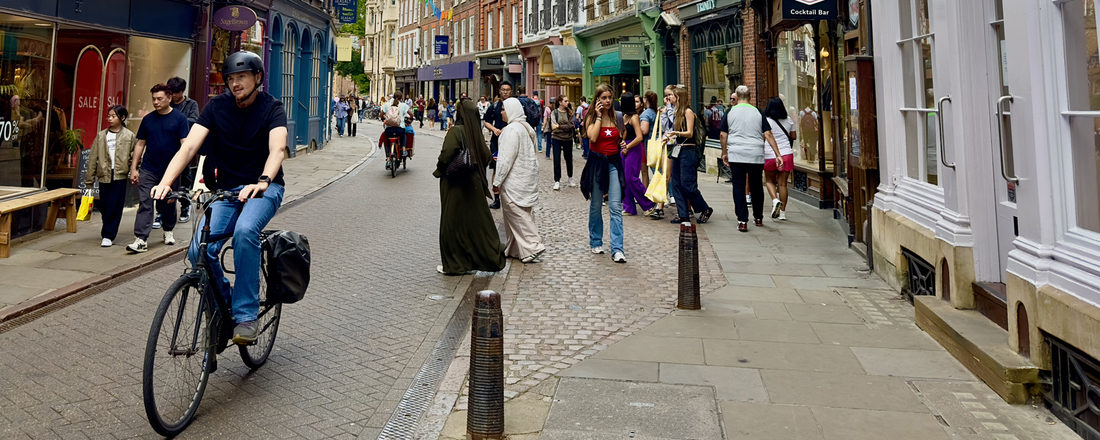
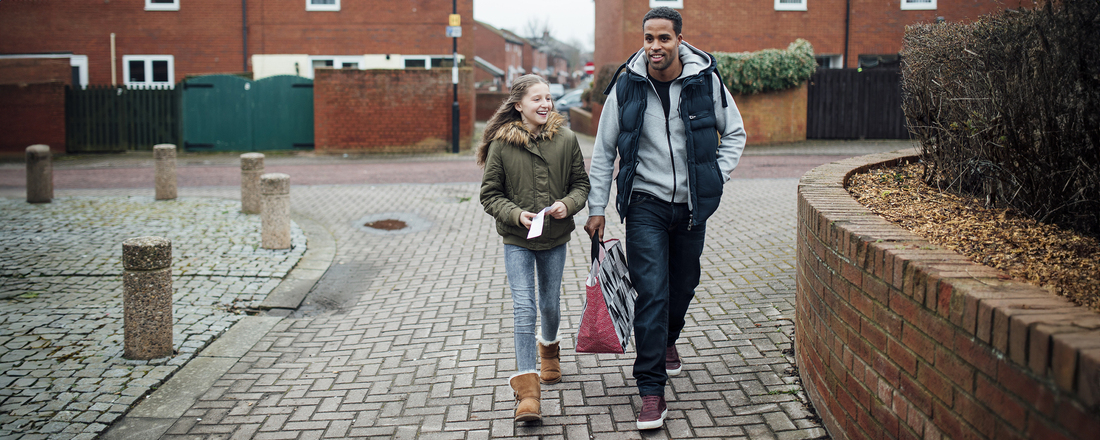
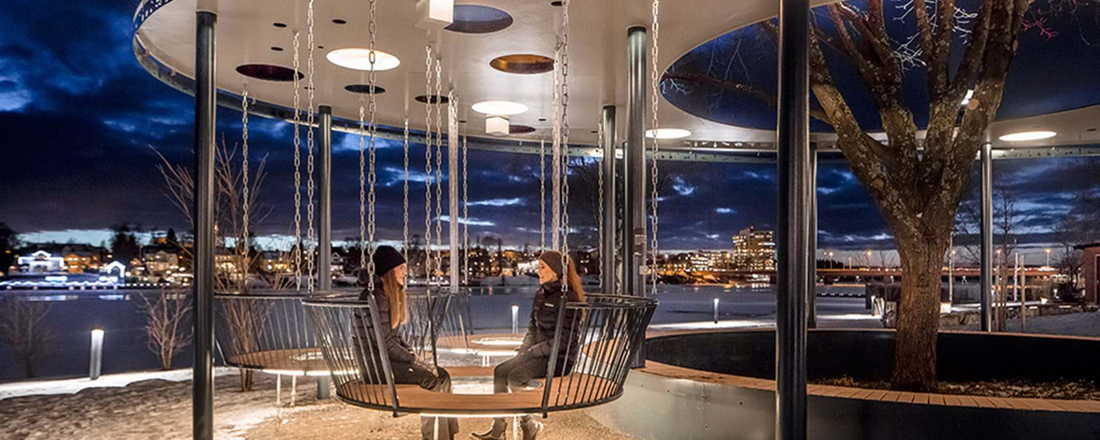
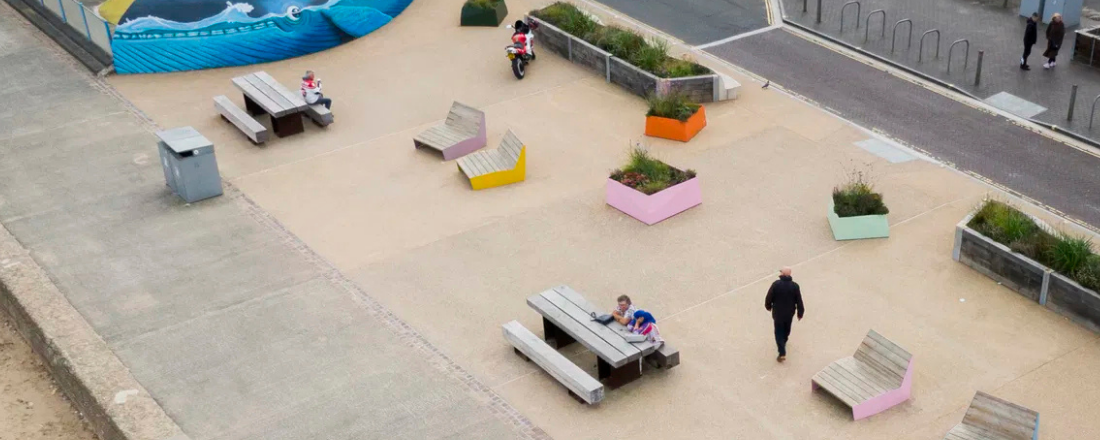
Avoiding or changing routes remains an all-too-common part of girlhood. BDP senior town planner Antonia May argues that wider consultation and a more diverse built-environment profession can help deliver truly inclusive public spaces
To put the Wellbeing Economy into practice, we need to have deeper conversations to uncover the complex, knotty, place-specific challenges that designing for wellbeing poses, Milly Warner reports
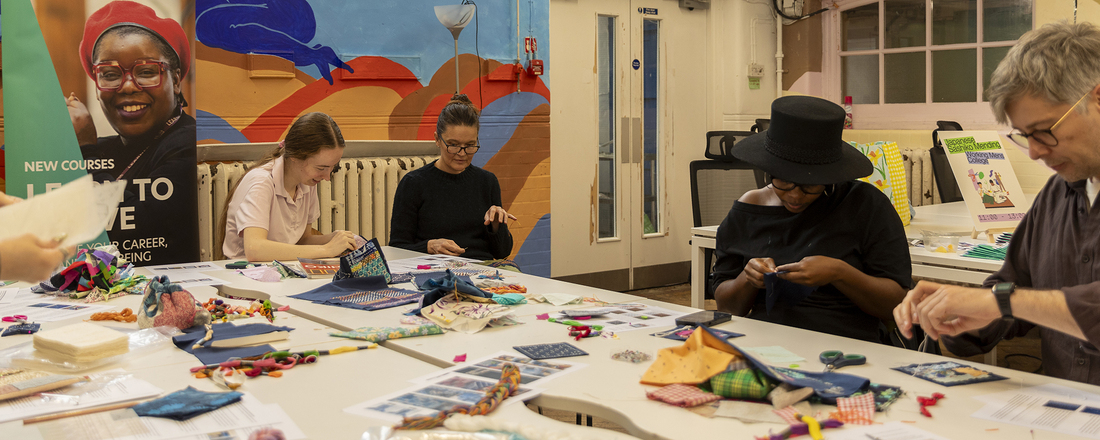
At the Camden Inspire festival, people came together to make, repair and rethink their surroundings, with the BID acting as a convener rather than manager in an evolution of the BID model, writes Simon Pitkeathley
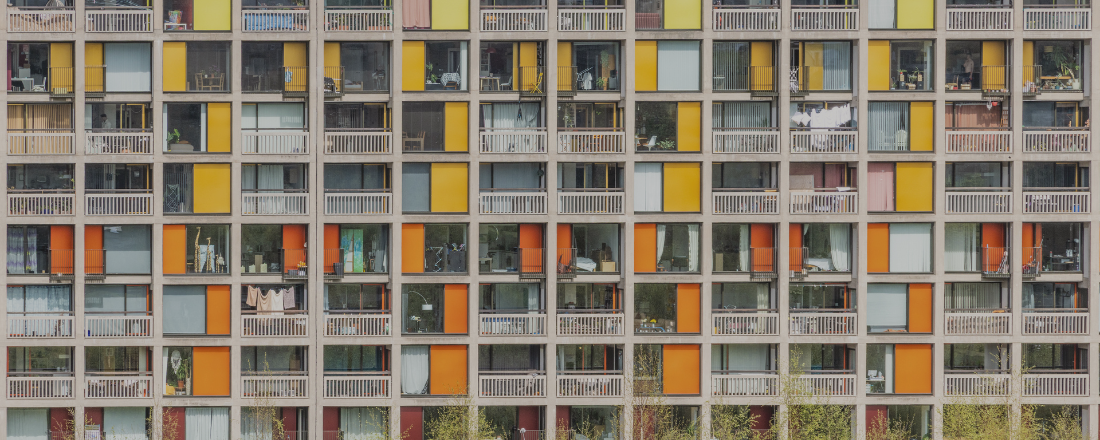
The affordability and supply problem are not the full story. The flats we’ve built could be uninhabitable by 2050. We need to talk about this more, writes Peter Apps
All donations will be matched until 15 October by the Big Give in honour of the International Day of the Girl. Make Space for Girls is fighting for the inclusion of girls in the creation of places
Working in collaboration with charity Global Generation, Jan Kattein Architects has been building community spaces with volunteers aged 6 to 76 on site – and redefining the role of the architect in shaping places
After an extreme flooding event in 2021, my neighbours worked together to develop a sustainable drainage project. With one planning application rejected, the other withdrawn, what happens now? writes Dr Elizabeth Rapoport