Get updates from The Developer straight to your inbox Yes, please!




Farmstead Road, London Borough of Lewisham for Phoenix Community Housing with Buxton Building Contractors, Metropolitan Workshop, Jubb, BPTW, Potter Raper, Etude, LUC and PJR
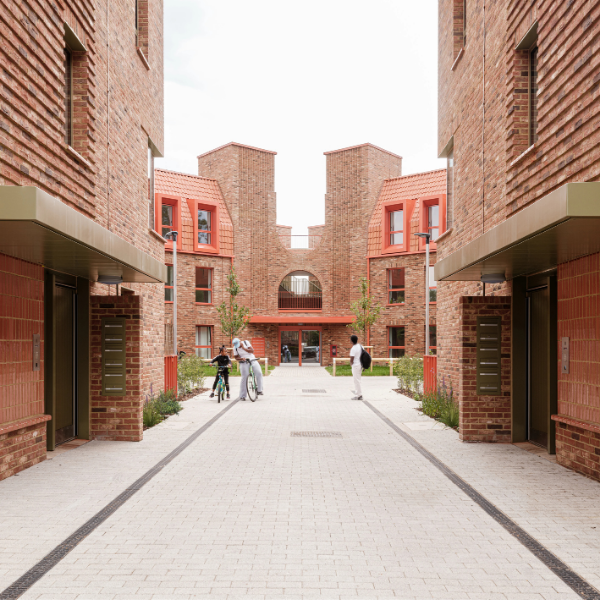
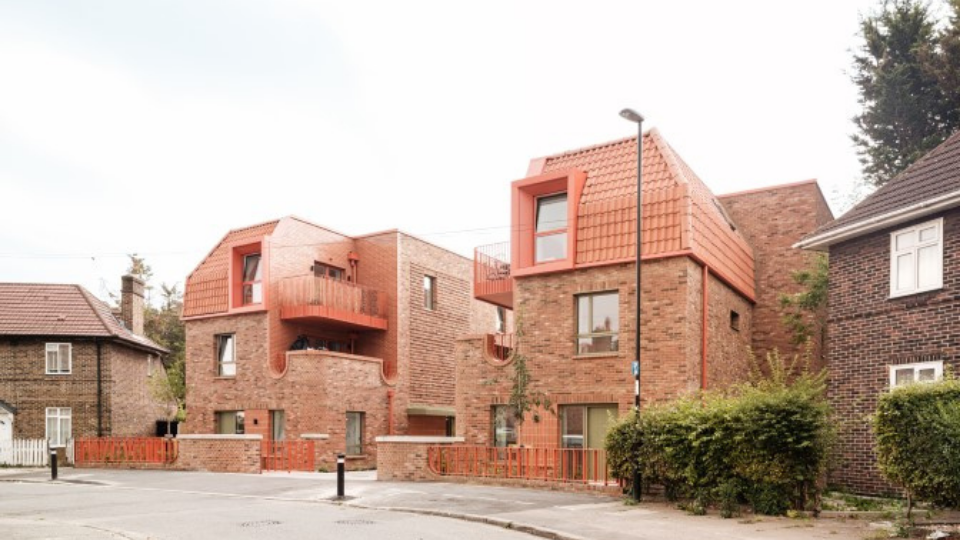
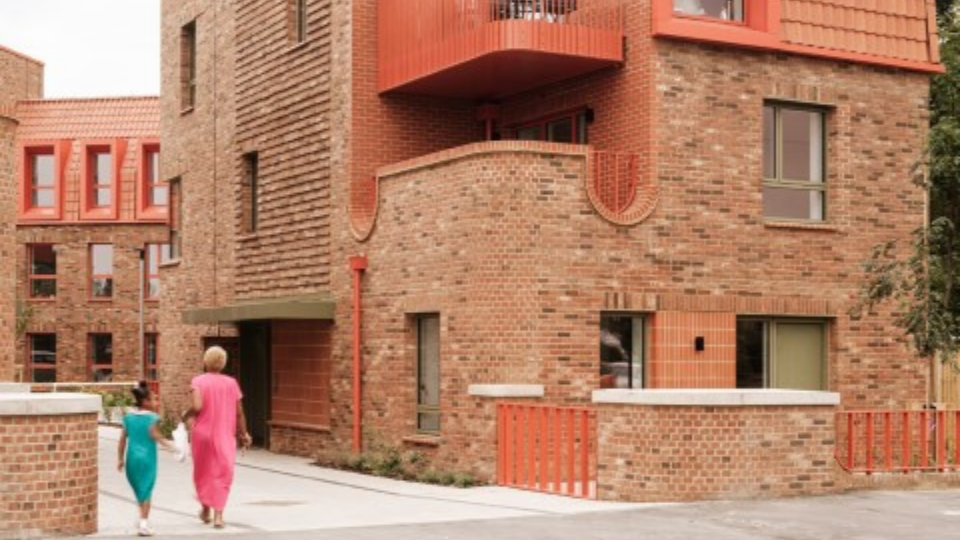
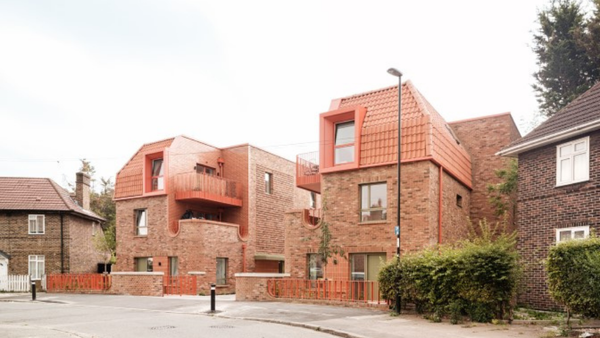
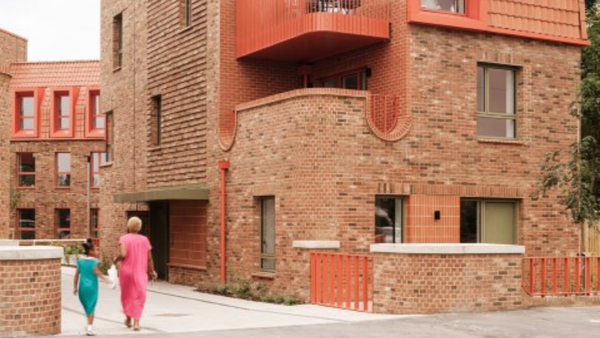
Metropolitan Workshop has delivered 24 Passivhaus-standard affordable homes on Farmstead Road in Lewisham for Phoenix Community Housing. Inspired by the area’s Arts & Crafts and Garden City heritage, the scheme blends contemporary, low-energy design with the historic Bellingham estate character. The development provides eighteen London Affordable Rent homes and six shared ownership properties, arranged across two gatehouses and a butterfly-plan apartment building that respects local streetscapes. The project supports borough housing targets, reduces fuel poverty, and reflects Phoenix’s commitment to high-quality, community-focused homes.
Who is on the project?
Architect - Metropolitan Workshop
Structures - Jubb
Planning Consultant - BPTW
EA&S - Potter Raper
M&E - PJR
Passivhaus Consultant - Etude
Landscape - LUC
Describe the context of this project and its neighbourhood and how the project was informed by health evidence and housing need.
Farmstead Road sits within Lewisham’s historic Bellingham estate, a neighbourhood shaped by post–World War I Garden City and Arts & Crafts planning principles. Characterised by low-rise terraces, generous greenery and a strong sense of community. Lewisham continues to experience significant demand for genuinely affordable homes: borough data shows over 10,000 people on the housing register and fuel poverty above the London average. Phoenix Community Housing, which manages more than 6,000 local homes, identified this site as a key opportunity to deliver high-quality, low-energy housing that directly addresses these needs.
The adoption of the Passivhaus Low Energy Building Standard was central to improving residents’ health and wellbeing by reducing energy bills, enhancing ventilation, and maintaining stable indoor temperatures—factors closely linked to respiratory illnesses, cardiovascular problems, and winter-related health risks among vulnerable residents. The scheme therefore prioritises airtight construction, improved thermal building fabric, and dual- or triple-aspect layouts that maximise daylight, all supporting healthier living environments.
Contextual analysis of the estate informed the architectural response. The two gatehouse buildings and butterfly-plan apartment block maintain the area’s established scale and geometry, ensuring new homes feel integrated rather than imposed. By replacing an outdated terrace of 4 dwellings with 24 thoughtfully designed, affordable homes (18 for London Affordable Rent and 6 for shared ownership) the project provides much-needed family housing while enhancing neighbourhood character and supporting long-term community health.
How does this housing or mixed-use project address the 3 sections of the 12 Healthy Homes Principles with (1) consideration of fire and safety, (2) comfort and inclusion, and (3) how sustainable the design is.
(1) Safety and Security
Farmstead Road delivers high standards of fire safety and security. The development comprises low-rise, three-storey blocks, all equipped with sprinkler systems, fire detection, safe escape routes, and fire-resistant materials. Crime prevention and safety is embedded in the design: the kinked plan and dual- or triple-aspect layouts ensure all external spaces are well overlooked, providing natural surveillance, while secure entrances and well-lit pathways reinforce everyday safety. The project provides 18 London Affordable Rent homes and 6 shared ownership units, ensuring long-term affordability aligned with local income levels. By delivering secure, tenure-diverse housing in a thoughtfully designed layout, the development supports residents’ long-term health, safety, and wellbeing.
(2) Comfort and Inclusion
The development emphasises liveable, flexible spaces suitable for families over their lifetime. Homes feature generous internal layouts with ample storage and private outdoor spaces. Dual- and triple-aspect designs optimise daylight and cross-ventilation, supporting wellbeing. Homes cater to a range of mobility needs. Wheelchair-user dwellings, located at ground floor level, provide direct access to outside spaces, including the communal garden, and include dedicated mobility storage and in-home wheelchair charging points, ensuring both accessibility and convenience. The site provides good access to public transport, local shops, schools, green spaces, and play areas, promoting active lifestyles and social inclusion. Thermal comfort is inherent through Passivhaus-standard construction, maintaining stable indoor temperatures year-round and reducing exposure to cold-related illnesses.
(3) Sustainable Design
Sustainability and resilience are central to Farmstead Road. Designed to Passivhaus Low Energy Building Standard, the homes achieve substantial reductions in operational carbon emissions, helping residents reduce energy bills while supporting Climate Change Act 2008 targets. Developed with sustainability specialists Etude, the scheme adopts a ‘fabric-first’ approach, combining optimised building form, high-performance insulation, airtight, thermal-bridge-free construction, triple-glazed windows, and mechanical ventilation to maximise energy efficiency and indoor comfort.
Space heating and hot water are supplied via individual air-source heat pumps in the Gatehouse flats and efficient direct-electric systems in the Butterfly blocks, complemented by rooftop PV panels, energy-efficient lighting, and appliances. These measures improve indoor air quality, provide stable thermal comfort year-round, and reduce fuel poverty and long-term maintenance costs.
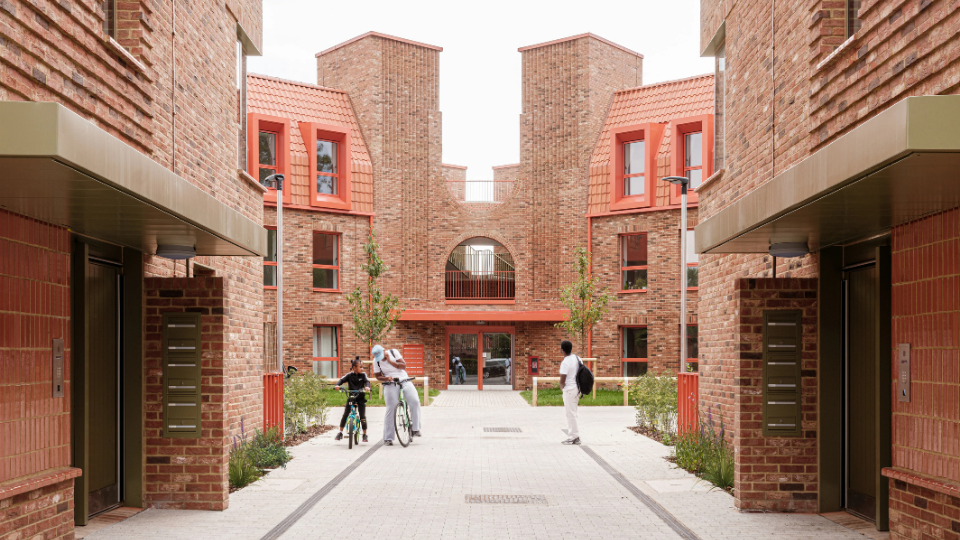
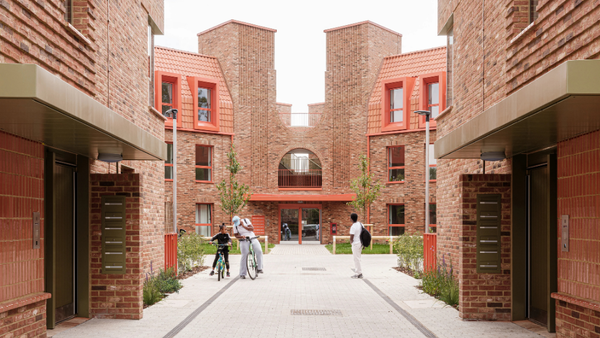
Climate resilience is achieved through strategic building orientation, durable materials, and considered landscaping. The scheme adopts two gatehouse buildings fronting Farmstead Road and a larger rear building set within the former terrace gardens, creating a central courtyard and shared community garden at the rear. This garden reflects the historic tradition of shared green spaces across the Bellingham estate, designed to support community interaction. Dual- and triple-aspect homes maximise natural daylight and cross-ventilation, reducing reliance on artificial lighting and while enhancing occupant comfort. The layout ensures that all external spaces, including the courtyard and community garden, provide a safe, calm, and welcoming environment.
Through these integrated measures, Farmstead Road delivers low-carbon, energy-efficient, and climate-resilient homes. By combining long-term environmental performance with improved indoor comfort, well-ventilated interiors, and high-quality outdoor spaces, the development demonstrates how high-quality affordable housing can be both environmentally responsible and socially supportive, fostering health, wellbeing, and a strong sense of community.
Tell us what you did to help promote, monitor or manage health and how this informed the design, delivery and the ongoing governance of the project. Was the community engaged in the process?
Promoting, Monitoring, and Managing Health.
The local community was actively engaged throughout the process through on-site events, including Phoenix Community Housing’s “Chat and Chips” initiative, where residents were invited to share feedback over free fish and chips. These sessions allowed the design team to listen to local needs, discuss the evolving scheme, and incorporate community priorities into the layout, communal spaces, and accessibility provisions.
Promoting sustainable, healthy living was also embedded in the design approach. The project architect trained and qualified as a certified Passivhaus designer, ensuring that all homes were developed to the highest low-energy standards. This expertise informed decisions around building orientation, airtight construction, thermal comfort, ventilation, and low-carbon heating, directly improving residents’ indoor air quality, comfort, and long-term health.
Monitoring and governance of health outcomes continue through Phoenix Community Housing, which manages the homes and engages with residents’ post-occupancy. By combining community engagement, specialist sustainable design knowledge, and ongoing resident-focused management, Farmstead Road demonstrates a holistic approach to promoting health and wellbeing, ensuring the development not only delivers safe and comfortable homes but also contributes positively to the long-term social and environmental health of the neighbourhood.
Gallery

Sign up to our newsletter
Get updates from The Developer straight to your inbox
Thanks to our organisation members
© Festival of Place - Tweak Ltd., 124 City Road, London, EC1V 2NX. Tel: 020 3326 7238