Get updates from The Developer straight to your inbox Yes, please!




200 Becontree Avenue, London Borough of Barking and Dagenham for Be First with Archio, Spacehub, Butler and Young Associates, SCMS, Wilde and United Living
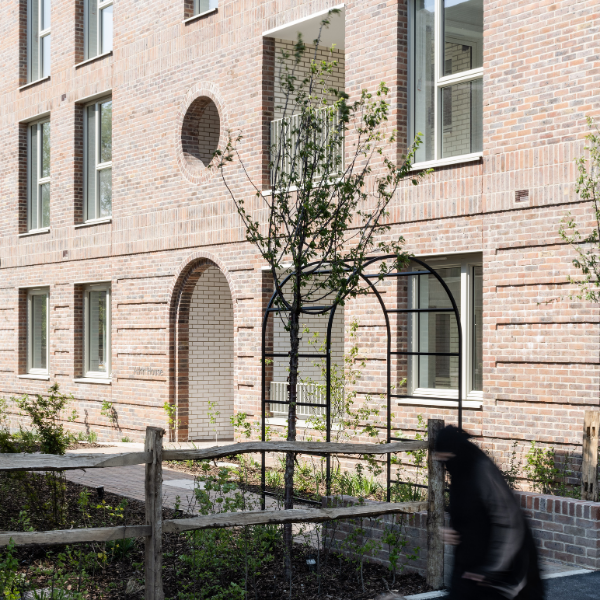
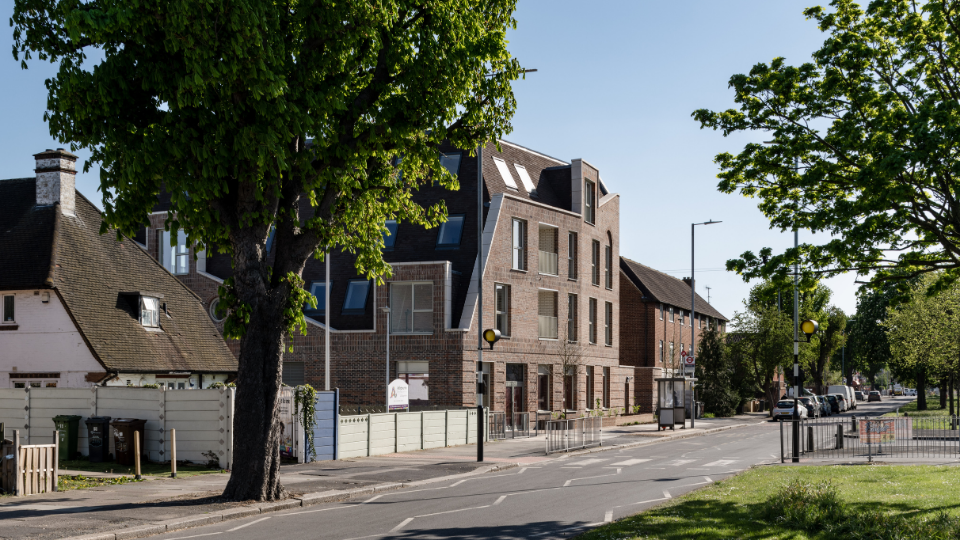
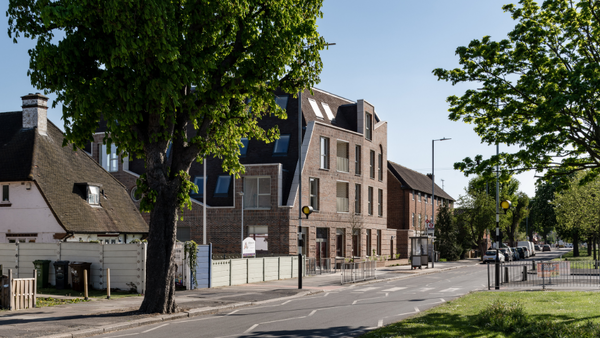
200 Becontree Avenue provides 19 affordable homes and a community hub, reimagining a disused site on the historic Becontree Estate. The design delivers gentle density through two villa-style buildings that respect the local Neo-Georgian character. By transforming a neglected cut-through into a vibrant play street and prioritising triple-aspect, light-filled living spaces, Archio have created a development that actively supports wellbeing. It is a modern interpretation of the estate’s original "Homes Fit for Heroes" promise, fostering social connection and healthy living.
Who is on the project?
Architect - Archio
Landscape Architect - Spacehub
M&E - Butler and Young Associates (to stage 4), and SCMS (from stage 4 onwards)
Structural Engineer - Wilde
Cost Consultant - Baily Garner
Contractor - United Living
Describe the context of this project and its neighbourhood and how the project was informed by health evidence and housing need.
The Becontree Estate, begun in the 1920s under the "Homes Fit for Heroe"" pledge, remains the world’s largest housing estate. Built on Garden City principles, it was originally designed to provide returning WWI soldiers and their families with healthy, spacious alternatives to the overcrowding of the East End. Today, facing a severe modern housing shortage, Be First is delivering 50,000 homes over 20 years, activating small sites like 200 Becontree to meet this ambitious target.
Our approach was heavily informed by local health needs rather than just housing numbers. Early engagement revealed a specific deficit in active play areas; a Ward Councillor initially opposed housing on the site, arguing the community desperately needed a park. Furthermore, the existing "School Way" cut-through was identified as unsafe and underused, contributing to poor pedestrian connectivity.
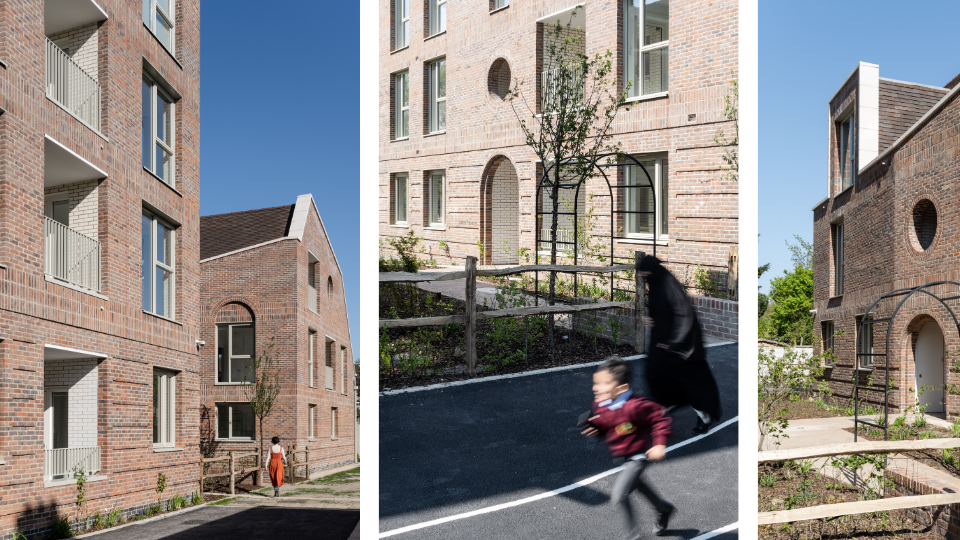
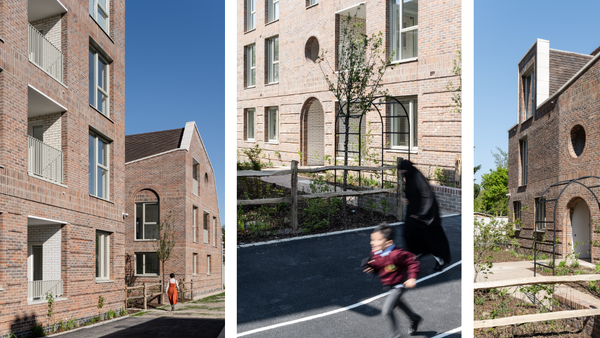
We responded by designing "gentle density" - two villas rather than a monolithic block - which allowed us to reclaim land for public health. We transformed the neglected cut-through into a vibrant "play street," directly addressing the evidence that safe, accessible outdoor space is vital for childhood development and community mental health.
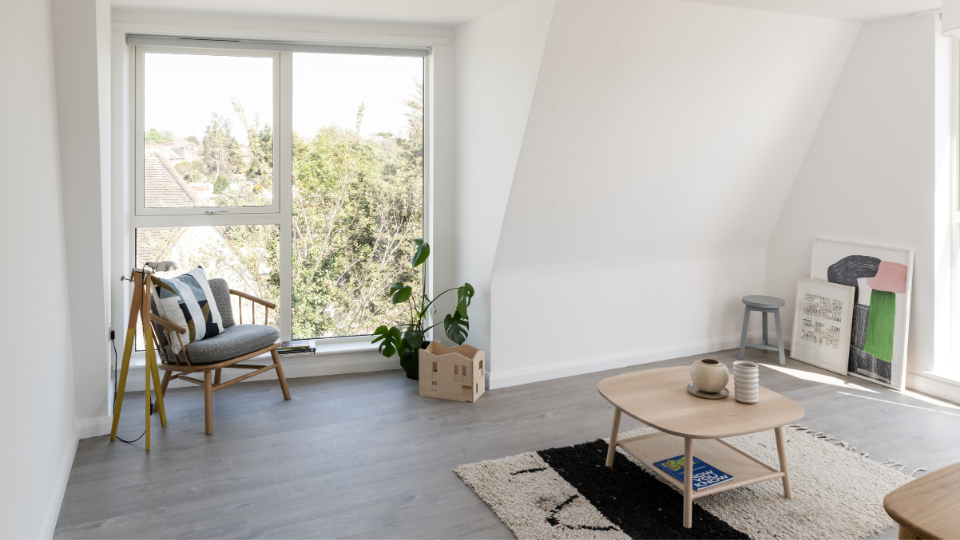
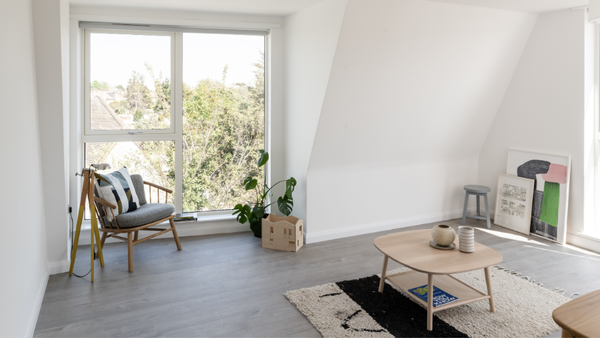
Internally, we prioritised physiological health. Rejecting standard single-aspect layouts, we delivered 100% triple-aspect homes. This maximises cross-ventilation and natural light, directly combating issues of damp and poor air quality often found in social housing. 200 Becontree demonstrates that addressing the housing crisis need not come at the expense of resident wellbeing; by listening to local needs, we delivered homes that actively support a healthier lifestyle.
How does this housing or mixed-use project address the 3 sections of the 12 Healthy Homes Principles with (1) consideration of fire and safety, (2) comfort and inclusion, and (3) how sustainable the design is.
(1) Safety and Security
Delivering 19 socially rented homes for the local authority, this project addresses the fundamental health need for secure, affordable tenure. A critical design driver was safety; the site previously bordered "School Way," a dark, narrow cut-through that attracted anti-social behaviour. We transformed this into an asset by widening it into an active "play street." By orienting the new homes with generous balconies overlooking this route, we introduced natural surveillance, turning a neglected alley into a secure community spine. This sense of safety is reinforced by the layout of the two villas, which face each other across a shared garden to foster a neighbourly atmosphere where residents naturally look out for one another. To further prioritise pedestrian safety and active travel, cars are hidden from view behind bike stores. Finally, fire safety is integrated directly into the spatial design through clear sightlines in circulation spaces, robust access controls, and bedroom positioning that ensures safe, logical egress routes.
(2) Comfort and Inclusion
We believe affordable housing should offer exceptional quality of life for everyone. Unlike standard dual-aspect flats, every home is triple-aspect, flooding spaces with light to support mental wellbeing. Layouts are generously proportioned and designed with additional storage to be adaptable for residents’ changing needs over a lifetime. We specifically included underfloor heating to eliminate radiator hazards for children and free up vital wall space.
Lifts provide step-free access to all homes, while secure ground-floor storage for prams and bikes makes daily logistics easier. The deep, inset balconies serve as an extension of the living space, allowing parents to safely supervise children playing on the generous balconies. We also ensured communal entrances are naturally lit and welcoming.
By converting School Way into a play street linking directly to the nursery, we have created an inclusive, safe route that prioritises pedestrians and brings neighbours together.
(3) Sustainable Design
Sustainability here is about long-term health for both residents and the planet. We adopted a "fabric first" approach, achieving airtightness and thermal performance close to Passivhaus standards. The buildings are entirely gas-free, utilising centralised Air Source Heat Pumps (ASHP) and underfloor heating to provide affordable, low-carbon thermal comfort while eliminating on-site combustion and improving local air quality.
To reduce embodied carbon, we utilised a hybrid structure of blockwork with hollow-core concrete slabs, reducing concrete volume compared to in-situ frames. Biodiversity has been significantly enhanced through green roofs, bat tubes, bird boxes, and native hedging, contributing to climate resilience and urban cooling. Mechanical ventilation ensures healthy indoor air quality, filtering pollutants while retaining heat. By prioritising durable, high-quality materials like textured red brick, we have ensured these homes remain resilient and beautiful for generations, minimising future maintenance burdens.
Tell us what you did to help promote, monitor or manage health and how this informed the design, delivery and the ongoing governance of the project. Was the community engaged in the process?
The design for 200 Becontree evolved directly from our dialogue with neighbours. Through a series of engagement events during the design stages, we invited the community to steer the project’s direction, fundamentally altering the brief. While the initial scope focused on maximum housing yield, local feedback revealed a strong desire for community assets; specifically, a Ward Councillor advocated for a park over housing, highlighting the area’s desperate need for play space.
We used this feedback to reshape the project by expanding the red line boundary to include the adjacent "School Way," reimagining it as a play street. This move reconciled the urgent need for homes with the necessity of healthy, active public space. Consequently, the brief expanded from a simple housing block to a holistic development featuring a ground-floor community facility and enhanced public realm. These spaces act as permanent health assets. The design promotes wellbeing not through surveillance, but by making physical activity and social interaction the natural choice for residents.
Post-completion, this space is now home to Learning Hive, an organisation offering academic support, venue hire, and community support. Their presence allows the building to act as a permanent asset, promoting wellbeing by making social and educational support accessible. It aligns with the long-term stewardship strategy of the London Borough of Barking and Dagenham to invest in developments that remain robust, healthy, and cherished by the community."
Gallery

Sign up to our newsletter
Get updates from The Developer straight to your inbox
Thanks to our organisation members
© Festival of Place - Tweak Ltd., 124 City Road, London, EC1V 2NX. Tel: 020 3326 7238